Cats are not just pets; they become beloved members of our families. Understanding the lifespan of a cat is essential for providing the best care possible. On average, domestic cats live between 12 to 16 years, but with proper care, many cats can live well into their 20s! Factors like genetics, diet, environment, and regular veterinary care play crucial roles in determining how long your cat will live.
One of the key secrets to extending your cat’s lifespan is maintaining a balanced diet tailored to their age and health condition. Feeding high-quality cat food rich in essential nutrients supports their immune system and overall vitality. Additionally, regular exercise through play helps keep your cat fit and mentally stimulated, reducing the risk of obesity-related health problems.
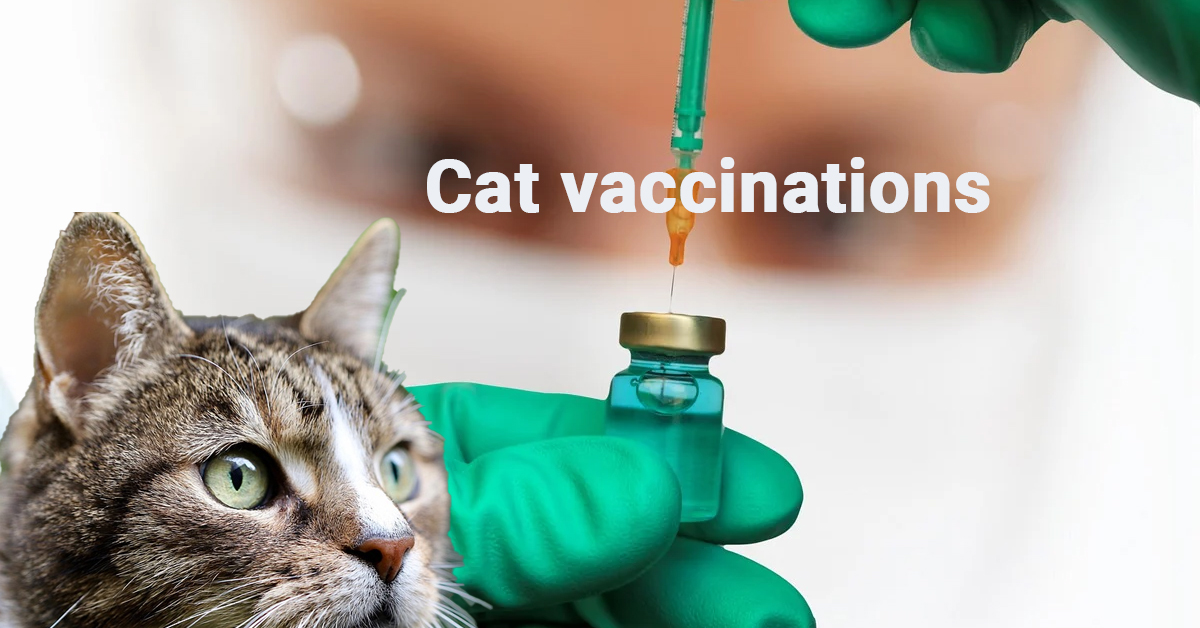
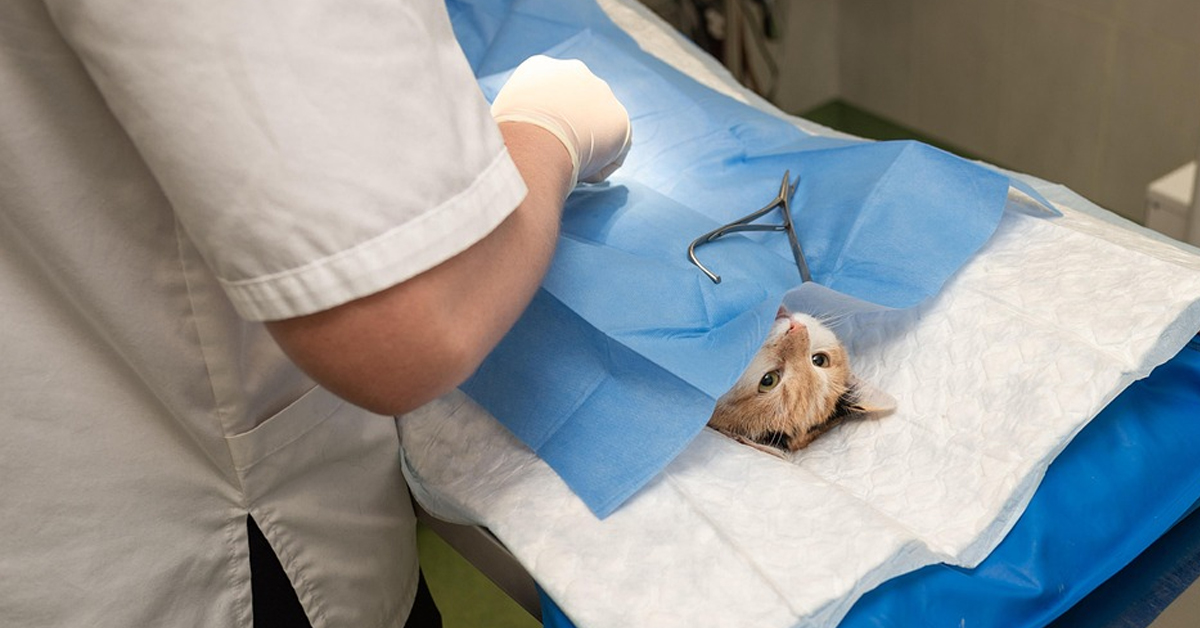
Health check-ups are equally important. Regular vet visits allow early detection of diseases such as kidney problems, diabetes, or dental issues, which are common in aging cats. Vaccinations and parasite control are also vital to protect your furry friend from infections.
Creating a safe, stress-free environment contributes significantly to a cat’s longevity. Indoor cats generally live longer than outdoor cats due to fewer risks from accidents, predators, or diseases. Enriching their home environment with scratching posts, toys, and cozy resting spots keeps them happy and active.
Finally, don’t underestimate the power of love and companionship. Spending quality time with your cat strengthens your bond, reduces their stress, and promotes a happier, healthier life.
In summary, understanding “Cat Lifespan” is more than just knowing numbers — it’s about adopting a holistic approach to your cat’s health and happiness. With proper nutrition, healthcare, a safe environment, and plenty of love, you can help your feline friend enjoy a long, vibrant life by your side.