How to Keep Your Indoor Cat Happy, Healthy, and Active
Cats are curious, playful, and intelligent creatures. While an indoor cat enjoys a safe and controlled environment, they also face unique challenges—boredom, lack of physical activity, and sometimes even stress. As a cat parent, it’s your responsibility to make sure your feline friend stays happy, healthy, and mentally stimulated.
In this guide, we’ll explore proven tips on how to keep indoor cat happy, keep indoor cat active, improve indoor cat health, and prevent cat boredom so your furry friend lives a long, joyful life.
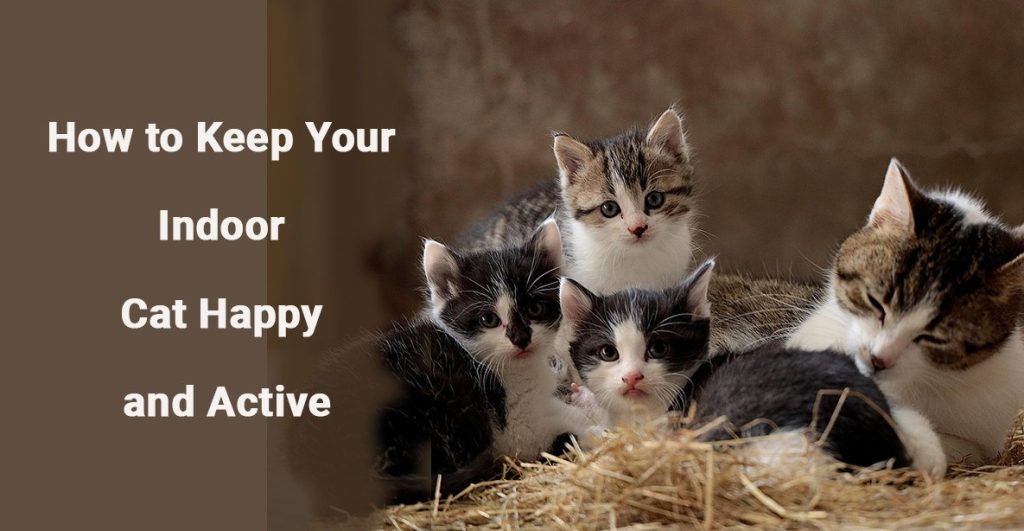
1. Why Indoor Cats Need Extra Care
An indoor cat avoids outdoor dangers like traffic, predators, and diseases, but they also miss out on the natural stimulation of the outside world. This can lead to:
- Weight gain due to lack of exercise
- Behavioral problems caused by boredom
- Reduced muscle strength and flexibility
- Stress from an unstimulating environment
That’s why mental and physical enrichment is essential for indoor cats.
2. Keep Indoor Cat Happy with Daily Enrichment
Happiness for a cat means having opportunities to explore, hunt, and play. To keep indoor cat happy, focus on these three things:
a) Create Vertical Space
Cats love climbing and observing their surroundings from above. Install cat trees, shelves, or window perches so your cat can jump, climb, and rest at different heights.
b) Provide Safe Hiding Spots
Cats sometimes need privacy. Give them cozy beds, covered cat condos, or even cardboard boxes where they can relax without disturbance.
c) Rotate Toys Regularly
If a toy stays out all the time, your cat might lose interest. Rotate toys weekly to keep things exciting.
3. Keep Indoor Cat Active with Fun Playtime
Cats are natural hunters, and play is their way of practicing these instincts. To keep indoor cat active, try:
- Interactive toys like feather wands and laser pointers
- Puzzle feeders to make mealtime engaging
- Chasing games with rolling balls or motorized toys
- DIY toys such as paper balls, bottle caps, or toilet paper rolls
Aim for at least two 15-minute play sessions daily to keep your cat physically fit and mentally stimulated.
4. Indoor Cat Health: Diet, Exercise & Grooming
Good indoor cat health is a combination of proper diet, regular exercise, and grooming.
- Balanced Diet: Feed high-quality cat food suited to your cat’s age, weight, and health condition. Avoid overfeeding and measure portions carefully.
- Hydration: Cats often don’t drink enough water. A cat water fountain can encourage drinking.
- Grooming: Regular brushing prevents matting, reduces shedding, and allows you to check for skin issues or parasites.
- Vet Visits: Schedule annual check-ups and keep vaccinations up to date.
5. Prevent Cat Boredom Before It Starts
A bored cat can develop destructive behaviors like scratching furniture, overeating, or excessive meowing. To prevent cat boredom:
a) Environmental Enrichment
- Place bird feeders outside windows for “cat TV”
- Play calming cat music when you’re away
- Use cat-safe plants like cat grass or catnip
b) Teach Tricks
Yes, cats can be trained! Simple tricks like “sit” or “high five” stimulate their brain and deepen your bond.
c) Schedule Quality Time
Cats might act independent, but they enjoy your company. Spend time petting, talking, and playing with them every day.
6. The Bond Between You and Your Cat
Keeping your indoor cat healthy and happy isn’t just about toys and food—it’s about love and companionship. Talk to your cat, understand their body language, and be consistent with affection. The more attention and care you give, the more your cat will thrive.
Final Thoughts
Your indoor cat depends on you for entertainment, exercise, and health care. By focusing on ways to keep indoor cat happy, keep indoor cat active, improve indoor cat health, and prevent cat boredom, you’re ensuring they live a long, healthy, and joyful life.
A happy cat isn’t just healthier—they bring endless love, purrs, and joy to your home.