Why Do Cats Sleep So Much? Understanding Cat Sleeping Habits

Why Do Cats Sleep So Much? Understanding Cat Sleeping Habits
Introduction
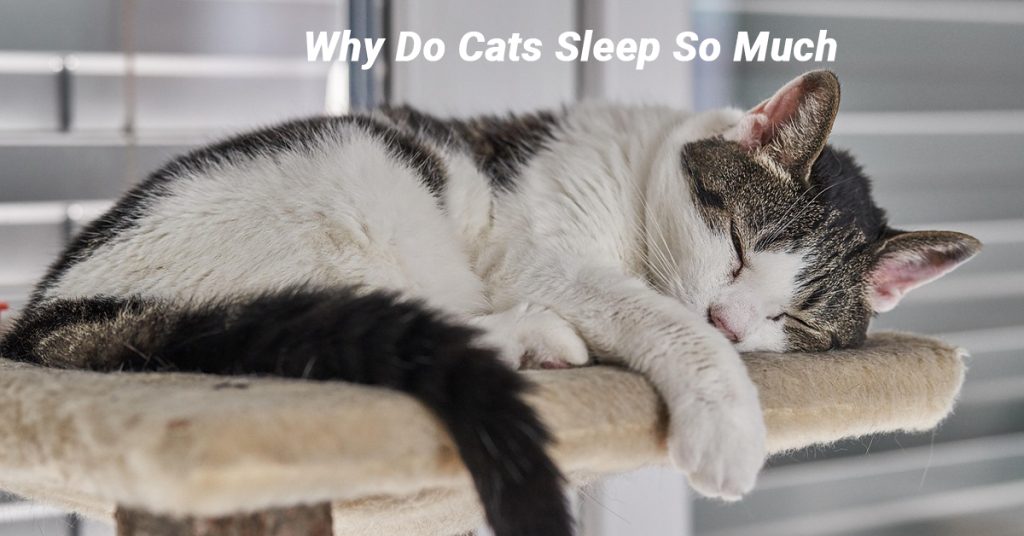
If you are a cat owner, you’ve probably wondered: “Why do cats sleep so much?” It might surprise you to know that cats can sleep 16 to 20 hours a day. While this may seem excessive compared to human sleep patterns, it is actually a normal and healthy behavior. By learning more about cat sleeping habits, you can better understand your feline friend’s health, energy levels, and lifestyle needs.
In this article, we’ll explore why cats sleep so much, the science behind cat health and sleep, and how you can interpret your cat’s daily rest.
Why Do Cats Sleep So Much?
Cats are natural predators, and although your house cat may not hunt for food, its body is still designed for short bursts of energy followed by long periods of rest. This instinct is deeply rooted in their DNA. Sleeping allows cats to:
Save energy for sudden play or hunting behavior.
Maintain body health by repairing muscles and tissues.
Regulate mood and stress levels by getting proper rest.
So, when you see your cat curled up on the couch for hours, remember—it’s completely natural.
Cat Sleeping Habits Explained
Understanding cat sleeping habits can help you figure out what’s normal and what may signal health issues.
1. Kittens vs Adult Cats
Kittens often sleep up to 20 hours per day because their bodies are growing rapidly.
Adult cats usually sleep 12–16 hours, with additional naps during the day.
2. Night Owls by Nature
Cats are crepuscular animals, meaning they are most active at dawn and dusk. That’s why your cat might be zooming around the house late at night.
3. Seasonal Sleep Changes
Just like humans, cats may sleep more during colder months to conserve warmth and energy.
Cat Health and Sleep: What You Should Know
Sleep is directly connected to cat health and sleep quality. A healthy cat will have consistent sleeping patterns. However, sudden changes may signal health concerns.
Too much sleep: Could indicate boredom, obesity, or illness.
Too little sleep: Could signal stress, anxiety, or discomfort.
Restless sleep: Might be linked to joint pain, aging, or medical issues.
If your cat’s sleeping patterns change dramatically, it’s best to consult a veterinarian.
Understanding Cat Sleep Patterns
Cats experience both light sleep and deep sleep, just like humans.
Light Sleep (Dozing) – Cats may appear to be sleeping, but their ears and whiskers still twitch at sounds.
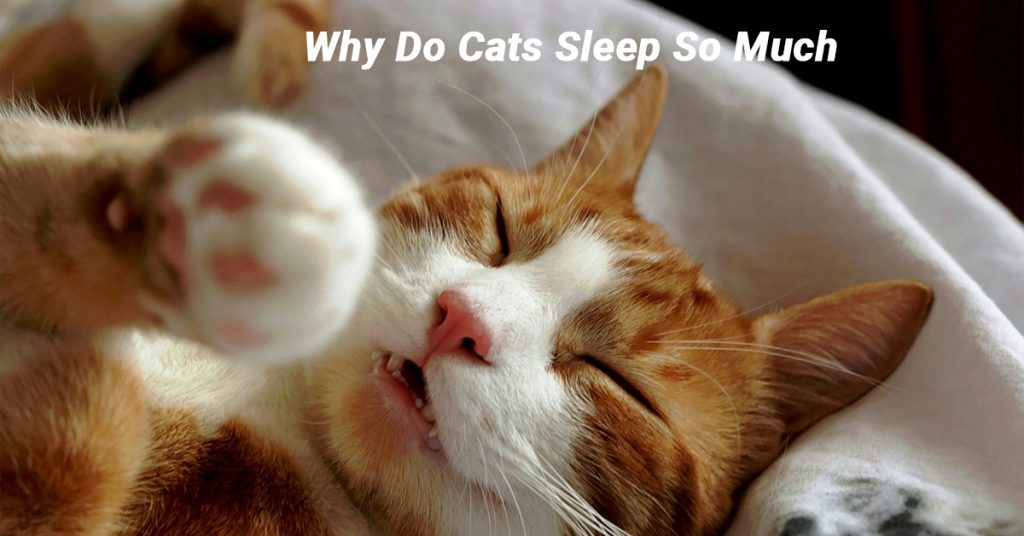
Deep Sleep (REM Sleep) – This is where cats dream, and you might notice their paws twitching or whiskers moving.
By understanding cat sleep patterns, you can recognize whether your cat is resting well or experiencing discomfort.
How to Improve Your Cat’s Sleep
If you want your cat to enjoy healthier and more comfortable sleep, consider the following tips:
Provide a cozy bed in a quiet, warm corner.
Stick to a routine for feeding and playtime.
Encourage activity with toys so your cat sleeps better at night.
Ensure proper diet to maintain energy balance.
Visit the vet regularly for checkups.
Frequently Asked Questions (FAQs)
1. Why do cats sleep so much during the day?
Cats are naturally crepuscular, meaning they are most active at sunrise and sunset. Daytime sleep is their way of conserving energy.
2. Is it normal for a cat to sleep 20 hours a day?
Yes, especially for kittens or senior cats. However, if your adult cat suddenly starts sleeping more than usual, consult a vet.
3. Do cats dream while sleeping?
Yes! During deep REM sleep, cats often dream, and you might see them twitching their paws or whiskers.
4. How much sleep does a healthy cat need?
On average, a healthy adult cat needs 12–16 hours of sleep, with additional naps.
5. Can too much sleep mean my cat is sick?
Excessive sleep, especially if paired with low energy or appetite loss, can indicate illness and should be checked by a vet.
6. Why does my cat wake me up at night?
Cats are naturally more active at night. Play with your cat during the day to help them burn energy and sleep better at night.
7. Do indoor cats sleep more than outdoor cats?
Yes, indoor cats usually sleep more because they have fewer survival activities like hunting or exploring.
Conclusion
Cats may seem like professional nappers, but their long hours of rest serve an important purpose. By understanding cat sleeping habits and learning why cats sleep so much, you can ensure your feline friend is happy, healthy, and well-rested. Remember, your cat’s sleep is just as important as its playtime and diet.