Cat Vaccinations: Complete Guide to Feline Vaccines and Health Care
Introduction
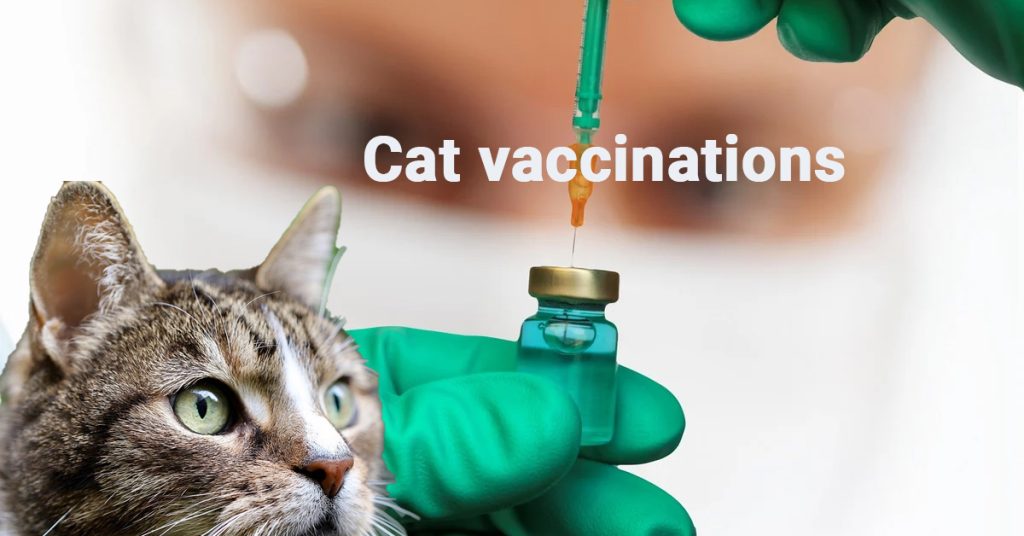
As a cat parent, one of the most important things you can do to ensure your feline’s long, healthy life is to keep their vaccinations up to date. Cat vaccinations protect your furry friend from dangerous and sometimes deadly diseases. Whether you have an indoor or outdoor cat, vaccines are essential for preventing infections that can spread rapidly among felines. In this detailed guide, we’ll explore everything about feline vaccines, including core and non-core cat vaccines, rabies protection, feline distemper, and more — so you can give your cat the safest, happiest life possible.
Why Cat Vaccinations Matter
Vaccinations are a simple yet powerful way to protect cats from serious illnesses. They help your cat’s immune system recognize and fight off viruses and bacteria before they cause harm. Unvaccinated cats are at a much higher risk of contracting diseases that can lead to lifelong health issues or even death.
Even indoor cats benefit from vaccination because some viruses can be brought inside on shoes, clothing, or other pets. Vaccines also help prevent the spread of disease within the cat community, keeping all felines healthier.
💉 Understanding Feline Vaccines
Feline vaccines are generally divided into two main categories: core vaccines and non-core vaccines. Both play vital roles in protecting cats from specific health threats.
1. Core Cat Vaccines
Core vaccines are recommended for every cat, regardless of age, lifestyle, or environment. These vaccines protect against the most common and severe feline diseases:
Feline Panleukopenia (Distemper):
A highly contagious virus that attacks the digestive system, causing vomiting, diarrhea, and dehydration. It can be fatal in kittens if left untreated.
💡 Vaccination usually starts at 6–8 weeks of age, with boosters every 3–4 weeks until 16 weeks.Feline Herpesvirus (FHV-1):
Causes respiratory infections and eye problems, leading to chronic sneezing, coughing, and nasal discharge.Feline Calicivirus (FCV):
Another respiratory disease that can lead to mouth ulcers, fever, and pneumonia.Rabies Vaccine for Cats:
Rabies is a fatal disease that affects the brain and nervous system. It can spread to humans and other animals through bites or scratches. Rabies vaccination is required by law in many countries and is considered one of the most important feline vaccines.
Non-Core Cat Vaccines
Non-core vaccines are given based on a cat’s lifestyle, environment, and exposure risk. Your veterinarian will help determine if your cat needs them. The most common non-core vaccine is:
Feline Leukemia Vaccine (FeLV):
Feline leukemia is a contagious viral infection that weakens the immune system and increases cancer risk. Outdoor cats or cats living with other felines should always receive this vaccine.
Other optional vaccines may protect against:
Feline Immunodeficiency Virus (FIV)
Bordetella (respiratory bacteria)
Chlamydia felis (eye and respiratory infection)
These vaccines are often recommended for cats in shelters, boarding facilities, or multi-cat households.
Cat Health Care and Immunization Schedule
A proper cat immunization schedule ensures your feline receives the right protection at the right time. Skipping vaccines or delaying boosters can leave your cat vulnerable to preventable diseases.
Recommended Vaccination Schedule:
| Cat’s Age | Vaccine Type | Description |
|---|---|---|
| 6–8 weeks | Core vaccines (FVRCP) | Start of initial series for distemper, herpesvirus, calicivirus |
| 12–16 weeks | Rabies + Booster shots | Important protection against fatal rabies virus |
| 1 year | Annual booster | Strengthens immunity against all major diseases |
| Every 1–3 years | Core + Non-core (FeLV if needed) | Based on vet recommendation |
Always consult your veterinarian before making changes to your cat’s vaccination schedule. Cats have individual health needs, and your vet can tailor the plan accordingly.
Feline Distemper: A Deadly Yet Preventable Disease
Feline distemper (panleukopenia) is one of the most dangerous viral infections in cats. It spreads rapidly through saliva, urine, or even contaminated objects like food bowls. Kittens are especially at risk. Symptoms include:
Lethargy
Vomiting
Severe diarrhea
Loss of appetite
The good news? Distemper is entirely preventable through regular vaccination. Once vaccinated, your cat gains strong immunity that can last for years.
Maintaining Cat Wellness Beyond Vaccines
Vaccines are just one part of complete cat health care. To keep your feline thriving:
Schedule annual cat wellness checks with your vet.
Provide a balanced diet with plenty of water.
Keep your cat’s environment clean and stress-free.
Use flea, tick, and worm preventatives.
Encourage play and mental stimulation.
Regular veterinary care and attention help catch early signs of illness and ensure your cat stays healthy inside and out.
Frequently Asked Questions (FAQs)
1. What vaccinations do cats need every year?
Most cats need yearly boosters for FVRCP (distemper, herpesvirus, calicivirus) and rabies. Your vet may recommend the FeLV vaccine for at-risk cats.
2. Is rabies vaccination necessary for indoor cats?
Yes. Even indoor cats can accidentally come into contact with bats or other animals that carry rabies. It’s a crucial safety measure.
3. At what age should kittens get their first vaccine?
Kittens usually receive their first vaccine between 6–8 weeks of age, followed by booster shots every 3–4 weeks until they’re 16 weeks old.
4. Can vaccines make my cat sick?
Most cats handle vaccines well, but mild side effects like fatigue or slight swelling can occur. Serious reactions are extremely rare.
5. How often should I visit the vet for cat wellness checks?
At least once a year for adult cats and twice a year for senior cats. Regular checkups help monitor overall health and vaccine effectiveness.
6. What happens if I skip my cat’s vaccines?
Skipping vaccines leaves your cat vulnerable to life-threatening diseases. It also increases health risks for other pets and humans.
7. Do older cats still need vaccinations?
Yes, although booster frequency may vary. Your vet will decide which vaccines are still necessary based on age and health condition.
Final Thoughts
Cat vaccinations are an essential investment in your pet’s long-term health. Whether it’s core vaccines like rabies and distemper or non-core options like the feline leukemia vaccine, staying up to date protects not only your cat but your entire family. Combine vaccination with routine cat wellness checks, proper nutrition, and love — and you’ll ensure your feline companion enjoys a long, joyful, and disease-free life.