Common Cat Health Problems – Feline Diseases, Symptoms

Understanding Cat Health Problems: A Complete Guide to Common Cat Diseases and Preventive Care
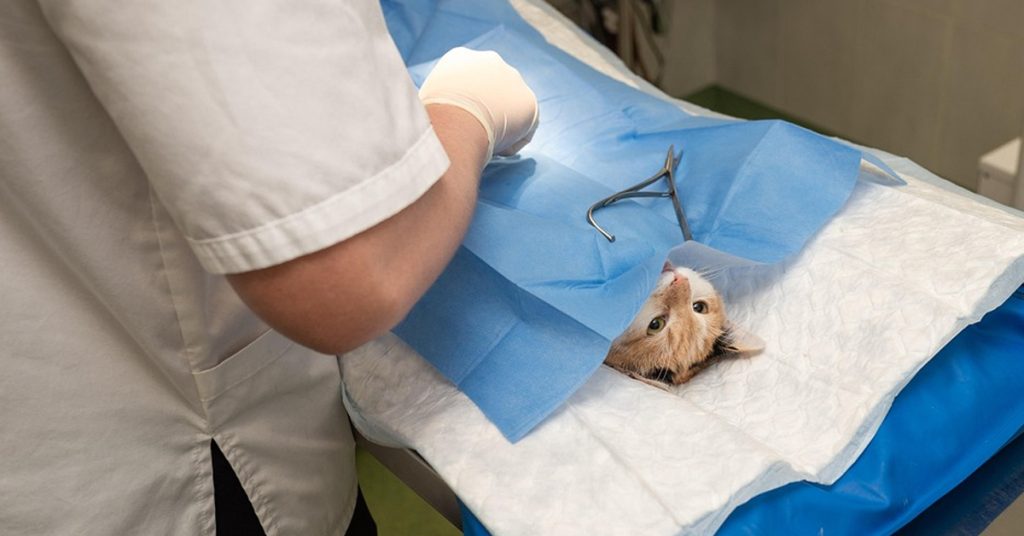
Cat health problems, Common cat diseases, Feline health care,

Introduction: Why Cat Health Awareness Matters

Cats are not just pets—they’re part of the family. But like any family member, they can experience health challenges that require care and attention. From dental issues to kidney disease and obesity, understanding cat health problems is essential for every responsible cat owner. Knowing the common cat diseases and recognizing cat illness symptoms early can make the difference between a quick recovery and a serious condition.

In this guide, we’ll explore the most frequent feline health concerns, how to prevent them, and what you can do to keep your furry companion happy, healthy, and full of life.


🩺 1. Common Cat Diseases You Should Know

Cats can suffer from a variety of illnesses—some mild, others life-threatening. Being aware of the common cat diseases helps pet owners detect problems early. Here are some of the most frequent ones:

  • Upper Respiratory Infections (URIs): Often caused by viruses like feline herpesvirus or calicivirus, symptoms include sneezing, watery eyes, and nasal discharge.

  • Feline Diabetes: A metabolic disorder where the body can’t properly control blood sugar levels. It often occurs in overweight cats.

  • Feline Leukemia Virus (FeLV): A contagious viral disease that weakens the immune system and can lead to cancer.

  • Kidney Disease: Common in older cats, chronic kidney disease leads to dehydration, weight loss, and increased urination.

  • Dental Disease: Poor oral hygiene can cause painful inflammation and tooth decay.

Recognizing these diseases early can help your vet create an effective treatment plan.


2. Cat Obesity: A Growing Concern

Cat obesity is one of the fastest-growing health problems among domestic cats. Overfeeding, lack of exercise, and excessive treats can all contribute to unhealthy weight gain.

Health risks of obesity include:

  • Diabetes

  • Arthritis and joint pain

  • Heart disease

  • Shortened lifespan

Prevention tips:
Feed a balanced diet recommended by your vet, measure food portions carefully, and encourage physical play with toys and climbing posts. Remember, maintaining a healthy weight is one of the best ways to improve your cat’s overall quality of life.


3. Cat Dental Disease: More Than Just Bad Breath

Dental issues are among the most overlooked feline health care concerns. Plaque and tartar buildup can lead to gum inflammation (gingivitis) and even tooth loss.

Common signs include:

  • Bad breath

  • Drooling

  • Difficulty eating or chewing

  • Red or bleeding gums

To prevent cat dental disease, brush your cat’s teeth regularly using pet-safe toothpaste, provide dental treats, and schedule professional cleanings when recommended.


4. Cat Kidney Disease: A Silent Threat

Cat kidney disease is a chronic condition, especially common in senior cats. The kidneys lose their ability to filter waste from the blood, leading to toxin buildup.

Symptoms to watch for:

  • Frequent urination

  • Increased thirst

  • Weight loss

  • Poor appetite

  • Vomiting

While kidney disease cannot always be cured, early diagnosis and proper management—such as special diets and hydration support—can extend your cat’s life and comfort.


5. Cat Respiratory Infections: Protecting the Airways

A cat respiratory infection can spread quickly, especially in multi-cat households or shelters. The symptoms resemble a human cold: coughing, sneezing, nasal discharge, and fatigue.

How to prevent respiratory infections:

  • Keep your cat indoors or limit outdoor exposure.

  • Ensure regular vaccinations.

  • Reduce stress and provide a clean living environment.

Prompt veterinary care can prevent complications like pneumonia or chronic sinus issues.



Understanding Cat Health Problems: A Complete Guide to Common Cat Diseases and Preventive Care 🐱 Introduction: Why Cat Health Awareness Matters Cats are not just pets—they’re part of the family. But like any family member, they can experience health challenges that require care and attention. From dental issues to kidney disease and obesity, understanding cat health problems is essential for every responsible cat owner. Knowing the common cat diseases and recognizing cat illness symptoms early can make the difference between a quick recovery and a serious condition. In this guide, we’ll explore the most frequent feline health concerns, how to prevent them, and what you can do to keep your furry companion happy, healthy, and full of life. 🩺 1. Common Cat Diseases You Should Know Cats can suffer from a variety of illnesses—some mild, others life-threatening. Being aware of the common cat diseases helps pet owners detect problems early. Here are some of the most frequent ones: Upper Respiratory Infections (URIs): Often caused by viruses like feline herpesvirus or calicivirus, symptoms include sneezing, watery eyes, and nasal discharge. Feline Diabetes: A metabolic disorder where the body can’t properly control blood sugar levels. It often occurs in overweight cats. Feline Leukemia Virus (FeLV): A contagious viral disease that weakens the immune system and can lead to cancer. Kidney Disease: Common in older cats, chronic kidney disease leads to dehydration, weight loss, and increased urination. Dental Disease: Poor oral hygiene can cause painful inflammation and tooth decay. Recognizing these diseases early can help your vet create an effective treatment plan. 🍽️ 2. Cat Obesity: A Growing Concern Cat obesity is one of the fastest-growing health problems among domestic cats. Overfeeding, lack of exercise, and excessive treats can all contribute to unhealthy weight gain. Health risks of obesity include: Diabetes Arthritis and joint pain Heart disease Shortened lifespan Prevention tips: Feed a balanced diet recommended by your vet, measure food portions carefully, and encourage physical play with toys and climbing posts. Remember, maintaining a healthy weight is one of the best ways to improve your cat’s overall quality of life. 🦷 3. Cat Dental Disease: More Than Just Bad Breath Dental issues are among the most overlooked feline health care concerns. Plaque and tartar buildup can lead to gum inflammation (gingivitis) and even tooth loss. Common signs include: Bad breath Drooling Difficulty eating or chewing Red or bleeding gums To prevent cat dental disease, brush your cat’s teeth regularly using pet-safe toothpaste, provide dental treats, and schedule professional cleanings when recommended. 💧 4. Cat Kidney Disease: A Silent Threat Cat kidney disease is a chronic condition, especially common in senior cats. The kidneys lose their ability to filter waste from the blood, leading to toxin buildup. Symptoms to watch for: Frequent urination Increased thirst Weight loss Poor appetite Vomiting While kidney disease cannot always be cured, early diagnosis and proper management—such as special diets and hydration support—can extend your cat’s life and comfort. 💨 5. Cat Respiratory Infections: Protecting the Airways A cat respiratory infection can spread quickly, especially in multi-cat households or shelters. The symptoms resemble a human cold: coughing, sneezing, nasal discharge, and fatigue. How to prevent respiratory infections: Keep your cat indoors or limit outdoor exposure. Ensure regular vaccinations. Reduce stress and provide a clean living environment. Prompt veterinary care can prevent complications like pneumonia or chronic sinus issues. 🧴 6. The Importance of Feline Health Care and Preventive Measures Proper feline health care isn’t just about treating sickness—it’s about prevention. Routine checkups, vaccinations, and parasite control (fleas, ticks, worms) are vital. A clean environment, proper nutrition, and emotional well-being are equally important. Preventive steps for better cat health: Schedule annual vet visits. Keep vaccinations up to date. Provide a nutritious, balanced diet. Maintain proper dental hygiene. Monitor your cat’s behavior and appetite. By taking these measures, you can prevent many common cat health problems before they even begin. 🐾 7. Cat Illness Symptoms: Know When to Visit the Vet Recognizing cat illness symptoms early can save your cat’s life. Cats are experts at hiding pain, so any sudden change in behavior should raise concern. Warning signs include: Loss of appetite or excessive eating Unusual sleep patterns Vomiting or diarrhea Lethargy or hiding Changes in breathing or vocalization Poor coat condition When in doubt, consult your veterinarian—never wait for the problem to “go away on its own.” ❓ Frequently Asked Questions (FAQs) 1. What are the first signs of illness in cats? The earliest signs include loss of appetite, changes in behavior, and sudden lethargy. Watch for unusual grooming habits or hiding behavior. 2. How often should I take my cat to the vet? At least once a year for healthy adult cats; more frequently for kittens and senior cats. 3. Can indoor cats get diseases too? Yes! Even indoor cats can develop dental issues, obesity, and chronic diseases like kidney failure or diabetes. 4. How can I prevent my cat from getting sick? Regular vet visits, vaccinations, balanced diet, and parasite prevention are key steps in feline health care. 5. What foods are best for cat health? Choose high-protein, low-carb cat food with essential fatty acids. Always consult your vet before changing diets. 6. How do I know if my cat has diabetes? Symptoms include increased thirst, frequent urination, and weight loss despite eating normally. A vet can confirm with a blood test. 7. Can stress make my cat sick? Yes. Stress can weaken your cat’s immune system and trigger issues like urinary problems and loss of appetite. 🌿 Conclusion Your cat’s health depends on your awareness and care. By recognizing cat illness symptoms, preventing common cat diseases, and ensuring proper feline health care, you can give your furry friend a long, joyful, and active life.

6. The Importance of Feline Health Care and Preventive Measures

Proper feline health care isn’t just about treating sickness—it’s about prevention. Routine checkups, vaccinations, and parasite control (fleas, ticks, worms) are vital. A clean environment, proper nutrition, and emotional well-being are equally important.

Preventive steps for better cat health:

  • Schedule annual vet visits.

  • Keep vaccinations up to date.

  • Provide a nutritious, balanced diet.

  • Maintain proper dental hygiene.

  • Monitor your cat’s behavior and appetite.

By taking these measures, you can prevent many common cat health problems before they even begin.


7. Cat Illness Symptoms: Know When to Visit the Vet

Recognizing cat illness symptoms early can save your cat’s life. Cats are experts at hiding pain, so any sudden change in behavior should raise concern.

Warning signs include:

  • Loss of appetite or excessive eating

  • Unusual sleep patterns

  • Vomiting or diarrhea

  • Lethargy or hiding

  • Changes in breathing or vocalization

  • Poor coat condition

When in doubt, consult your veterinarian—never wait for the problem to “go away on its own.”


? Frequently Asked Questions (FAQs)

1. What are the first signs of illness in cats?
The earliest signs include loss of appetite, changes in behavior, and sudden lethargy. Watch for unusual grooming habits or hiding behavior.

2. How often should I take my cat to the vet?
At least once a year for healthy adult cats; more frequently for kittens and senior cats.

3. Can indoor cats get diseases too?
Yes! Even indoor cats can develop dental issues, obesity, and chronic diseases like kidney failure or diabetes.

4. How can I prevent my cat from getting sick?
Regular vet visits, vaccinations, balanced diet, and parasite prevention are key steps in feline health care.

5. What foods are best for cat health?
Choose high-protein, low-carb cat food with essential fatty acids. Always consult your vet before changing diets.

6. How do I know if my cat has diabetes?
Symptoms include increased thirst, frequent urination, and weight loss despite eating normally. A vet can confirm with a blood test.

7. Can stress make my cat sick?
Yes. Stress can weaken your cat’s immune system and trigger issues like urinary problems and loss of appetite.


* Conclusion

Your cat’s health depends on your awareness and care. By recognizing cat illness symptoms, preventing common cat diseases, and ensuring proper feline health care, you can give your furry friend a long, joyful, and active life.

Leave a Comment

Your email address will not be published. Required fields are marked *