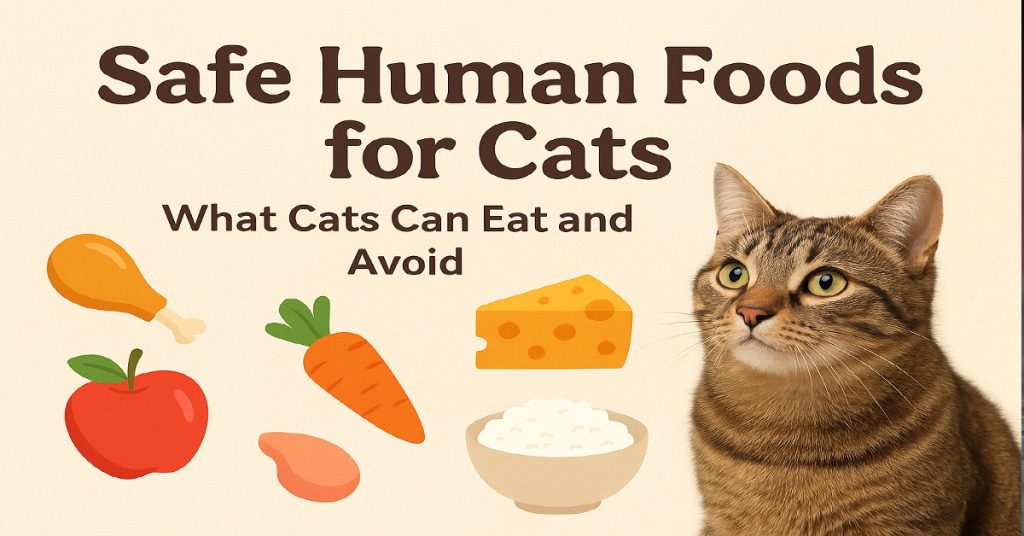
Safe Human Foods for Cats: A Complete Guide to What Cats Can Eat
Introduction
If you are a cat parent, chances are you have often wondered: “Can my cat eat this?” Cats are naturally curious, and when they see you enjoying a meal, they might try to sneak a bite. But not all human foods are safe for cats. Some can be a healthy treat, while others are extremely dangerous. That’s why it’s important to understand safe human foods for cats and learn which items are healthy, which ones should be avoided, and how to serve them in moderation.
This comprehensive guide will walk you through the essentials of what cats can eat, including healthy options, safe fruits and vegetables, protein-rich foods, and the importance of moderation. By the end, you will know how to add variety to your cat’s diet without risking their health.
Why It Matters: Human Food Safety for Cats
Cats have a very different digestive system compared to humans. Foods that seem harmless to us may cause stomach upset, toxic reactions, or long-term health problems in cats. Understanding human food safety for cats helps you avoid dangerous foods while choosing healthier alternatives. Remember, cats are obligate carnivores, which means their primary diet should always come from meat-based sources. However, certain human foods can provide extra nutrition and enrichment when served safely.
Healthy Foods for Cats: The Basics
When talking about healthy foods for cats, the golden rule is moderation. Human foods should not replace your cat’s main diet of high-quality cat food, but they can be given as an occasional treat. Some of the healthiest options include:
Cooked Chicken for Cats
Lean, plain, boiled, or baked chicken (without seasoning, onion, or garlic) is one of the safest and most nutritious human foods for cats. Rich in protein and easy to digest, it’s perfect for maintaining strong muscles.Cooked Fish
Salmon, tuna, or sardines in small amounts provide omega-3 fatty acids, which support heart health and a shiny coat. Make sure it’s fully cooked and boneless.Eggs
Cooked eggs are an excellent source of protein and B vitamins. Avoid raw eggs since they can carry harmful bacteria.Pumpkin
Plain, cooked pumpkin is great for digestion and can help cats with constipation or upset stomachs.
Safe Fruits for Cats: Sweet Treats in Moderation
Cats don’t have sweet taste buds, so they don’t crave sugar like humans do. But some fruits are safe, hydrating, and full of vitamins. When introducing fruits, offer very small portions to avoid stomach upset. Examples of safe fruits for cats include:
Blueberries Rich in antioxidants.
Watermelon – Hydrating and refreshing (seedless).
Apple slices High in fiber, but avoid seeds and core.
Banana – Small pieces are safe, but too much can add extra sugar.
🚫 Avoid grapes, raisins, and citrus fruits as they are toxic to cats.
Safe Vegetables for Cats: Extra Nutrition Boost
Cats don’t need vegetables in their diet, but some veggies can provide extra fiber and nutrients. The best safe vegetables for cats include:
Carrots – Cooked and cut into small pieces.
Peas – Rich in vitamins and often included in commercial cat food.
Green beans – Low in calories and a healthy snack.
Spinach – A nutrient-dense leafy green (avoid if your cat has kidney problems).
🚫 Onions, garlic, and chives are highly toxic and should never be given.
Foods Cats Should Avoid ❌
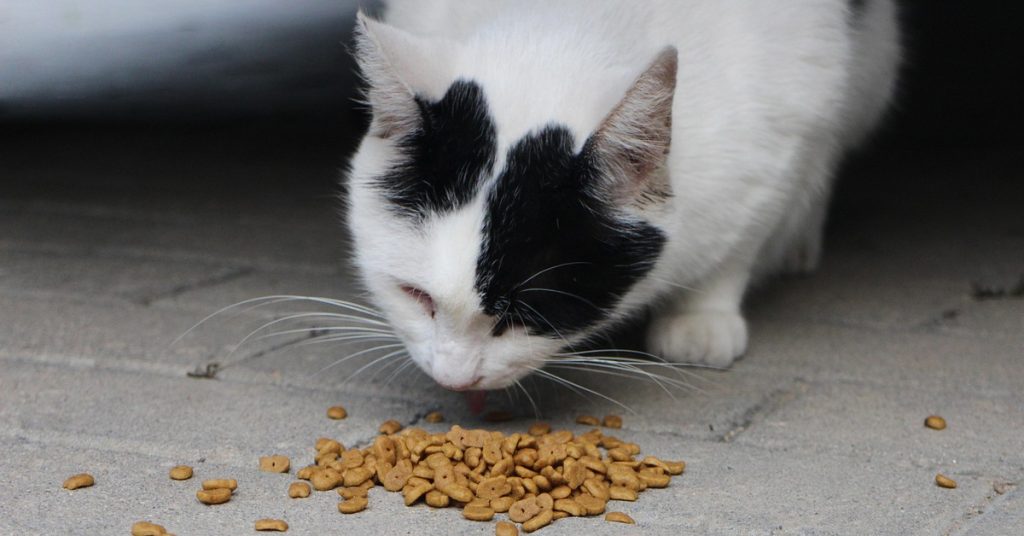
It’s equally important to know foods cats should avoid. These include:
Chocolate – Contains theobromine, toxic to cats.
Onions & Garlic – Can damage red blood cells and cause anemia.
Alcohol & Caffeine – Extremely dangerous, even in small amounts.
Grapes & Raisins – Can cause kidney failure.
Raw Fish & Raw Dough – Risk of bacteria and digestive issues.
Always double-check before giving your cat something new, as even small amounts of toxic food can lead to serious health problems.
Cat-Friendly Human Foods in Moderation
The term cat-friendly human foods refers to items that are safe, healthy, and enjoyable for cats when given occasionally. Good examples are:
Cooked chicken and turkey
Plain rice or oatmeal
Small bits of cheese (if your cat isn’t lactose intolerant)
Cat-safe fruits and vegetables in tiny amounts
These foods should always be offered in moderation and never replace a balanced cat food diet.
Final Thoughts: Feeding Cats the Right Way
Sharing food with your cat can be a bonding experience, but it should be done wisely. Focus on nutritious food for cats, prioritize protein-rich options like cooked chicken for cats, and supplement with safe fruits and vegetables when needed. Always avoid toxic items and consult your veterinarian if you’re unsure about a particular food.
Frequently Asked Questions (FAQs)
1. What human foods are safe for cats to eat?
Cats can safely eat cooked chicken, plain rice, pumpkin, small portions of cooked fish, and some fruits and vegetables in moderation.
2. Can cats eat fruits like apples or bananas?
Yes, cats can eat small pieces of apple (without seeds) and banana. However, fruits should only be an occasional treat.
3. Which vegetables are safe for cats?
Carrots, peas, spinach, and green beans are generally safe vegetables for cats when cooked and served in small amounts.
4. What foods should cats never eat?
Cats should avoid chocolate, onions, garlic, grapes, raisins, alcohol, caffeine, and raw dough, as these are toxic.
5. Is cooked chicken good for cats?
Yes, plain cooked chicken is one of the healthiest and safest human foods for cats. It provides lean protein that supports strong muscles.
6. Can cats eat fish from human meals?
Cats can eat cooked fish like salmon or tuna, but it must be boneless and unseasoned. Avoid raw fish.
7. How often can I give my cat human food?
Human food should only be given occasionally as a treat, not as a replacement for a balanced cat food diet.