Why Is My Cat Not Eating Properly? Causes, Health Issues & Solutions
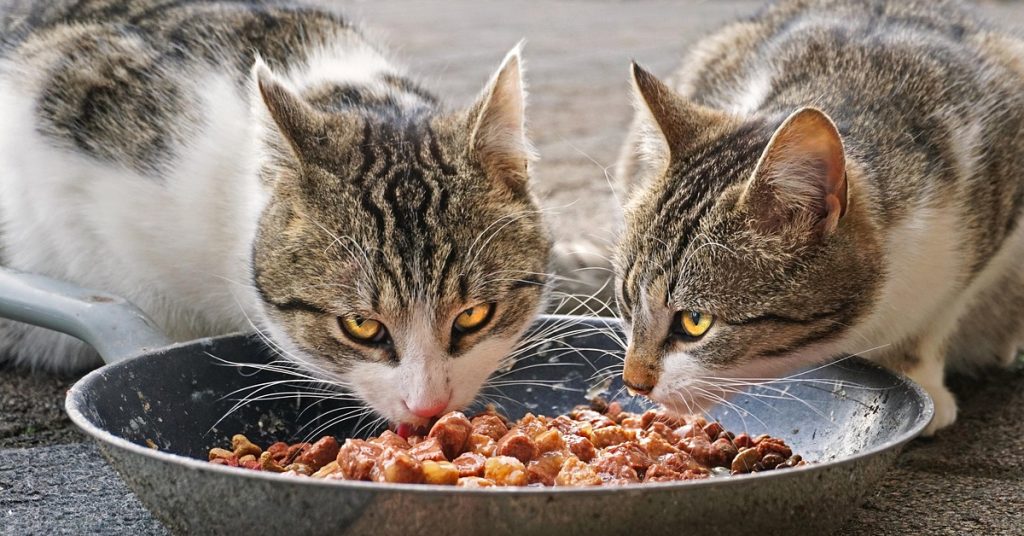
Introduction
Cats are known for being picky eaters, but if your furry friend suddenly refuses food, it can be worrying. A cat not eating properly may be experiencing more than just fussiness—it could be a sign of stress, illness, or other underlying issues. Understanding the reasons cats won’t eat and knowing how to help them regain their appetite is crucial for every pet parent.
In this guide, we’ll explore the common causes of appetite loss in cats, potential health problems, and practical solutions to get your feline back on track.
Why Is My Cat Not Eating?
One of the most common concerns among cat owners is: “Why is my cat not eating?” While occasional missed meals may not be alarming, continuous refusal to eat can indicate a bigger problem. Cats need consistent nutrition to stay healthy, and appetite loss should never be ignored.
Common Causes of Cat Not Eating Properly
1. Cat Loss of Appetite Due to Stress
Cats are sensitive creatures, and stress or anxiety can cause sudden cat appetite loss. Changes such as moving homes, introducing a new pet, or loud noises may trigger your cat to stop eating.
2. Health-Related Cat Eating Problems
Sometimes, a cat not eating properly may be a symptom of an underlying illness. Dental issues, kidney disease, liver problems, or gastrointestinal disorders can all reduce appetite. If your cat shows other signs like vomiting, lethargy, or weight loss, it’s time to consult a vet.
3. Reasons Cat Won’t Eat Their Usual Food
Cats can get bored of the same flavor or brand of food. Sudden changes in diet, expired cat food, or an unappealing smell can cause a cat eating problem.
4. Environmental Causes
Something as simple as a dirty food bowl, an unfamiliar environment, or competition with other pets can lead to cat not eating causes. Cats prefer a calm, clean, and stress-free eating area.
Cat Health Issues That Affect Appetite
A cat not eating is often linked to specific medical conditions:
Dental Problems: Tooth pain, gum disease, or mouth ulcers make eating uncomfortable.
Infections: Viral or bacterial infections can reduce appetite.
Organ Diseases: Issues with the liver, kidneys, or pancreas may lead to cat loss of appetite.
Digestive Disorders: Constipation, blockage, or inflammatory bowel disease may prevent cats from eating.
⚠️ If your cat hasn’t eaten in more than 24–48 hours, seek veterinary help immediately, as cats can develop serious complications like fatty liver disease.
How to Help a Cat Eat Again
If your cat is refusing food, here are some practical steps:
1. Make Food More Appealing
Warm up wet food slightly to release aroma or add a bit of tuna juice to make meals more enticing.
2. Try Different Food Options
Switch between dry, wet, and fresh food options to discover your cat’s preferences. Avoid sudden changes, though—introduce new food gradually.
3. Create a Stress-Free Eating Environment
Ensure your cat’s food area is quiet, clean, and free from distractions. Separate food and litter areas.
4. Use Appetite Stimulants (Vet-Recommended)
In some cases, vets may prescribe medications or supplements to encourage eating.
5. Keep a Routine
Cats thrive on consistency. Feed at the same time every day and maintain a predictable environment.
Cat Appetite Loss Tips for Pet Owners
Monitor your cat’s food and water intake daily.
Avoid giving too many treats, which may reduce meal appetite.
Ensure fresh water is always available.
Schedule regular vet check-ups.
Never force-feed unless instructed by a vet.
By following these cat appetite loss tips, you can often prevent small eating problems from becoming serious health issues.
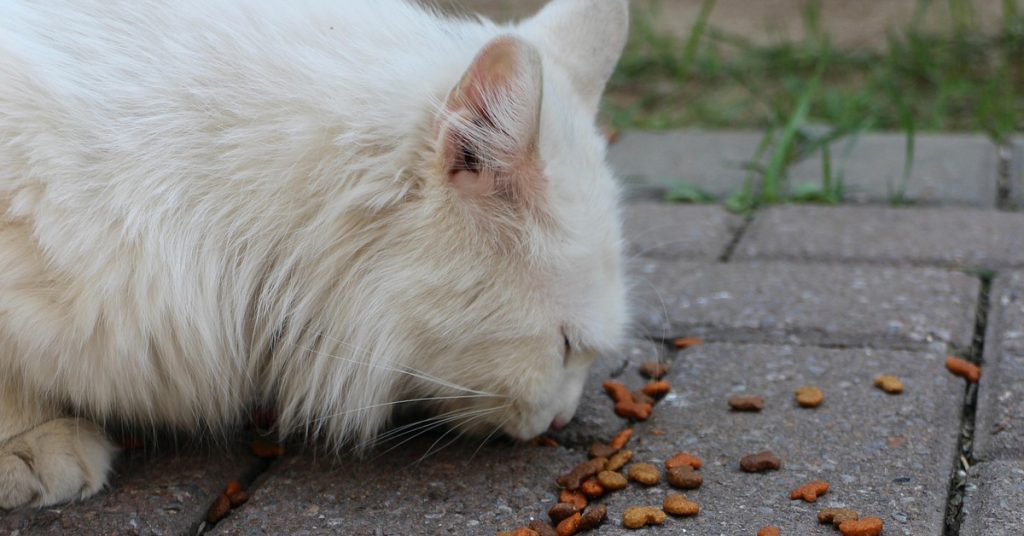
Cat Not Eating Solutions: When to See a Vet
While some cat not eating solutions work at home, persistent refusal requires professional help. Take your cat to the vet if:
They haven’t eaten in over 24 hours.
They show sudden weight loss.
They have vomiting, diarrhea, or unusual behavior.
They appear weak, dehydrated, or in pain.
Conclusion
A cat not eating properly is a warning sign that pet parents should never ignore. From stress to serious medical issues, appetite loss has many possible causes. By recognizing the reasons cats won’t eat, applying simple solutions, and seeking veterinary care when needed, you can help your feline friend recover quickly and stay healthy.
Remember: cats rely on us to notice the little changes. With the right care, attention, and timely action, your kitty can return to enjoying mealtime happily again.
FAQs – Cat Not Eating
1. Why is my cat not eating but still active?
It could be stress, boredom, or food preference. Monitor closely and consult a vet if it continues.
2. How long can a cat go without eating?
Cats should not go without food for more than 24–48 hours, as it can cause severe health problems.
3. Can dental issues cause cat appetite loss?
Yes, mouth pain from dental disease is a common reason for cats to stop eating.
4. What should I feed a cat that won’t eat?
Try wet food, warmed meals, or bland options like boiled chicken or rice, but consult your vet first.
5. When should I worry about my cat’s loss of appetite?
If your cat hasn’t eaten in a day, or shows other symptoms like vomiting or lethargy, seek veterinary care immediately.